Bath
A Roman and Georgian city in the Avon valley
Bath sits in the valley of the River Avon, surrounded by limestone hills, in the area run by Bath and North East Somerset Council. At the 2021 census the built-up area had 94,080 residents.
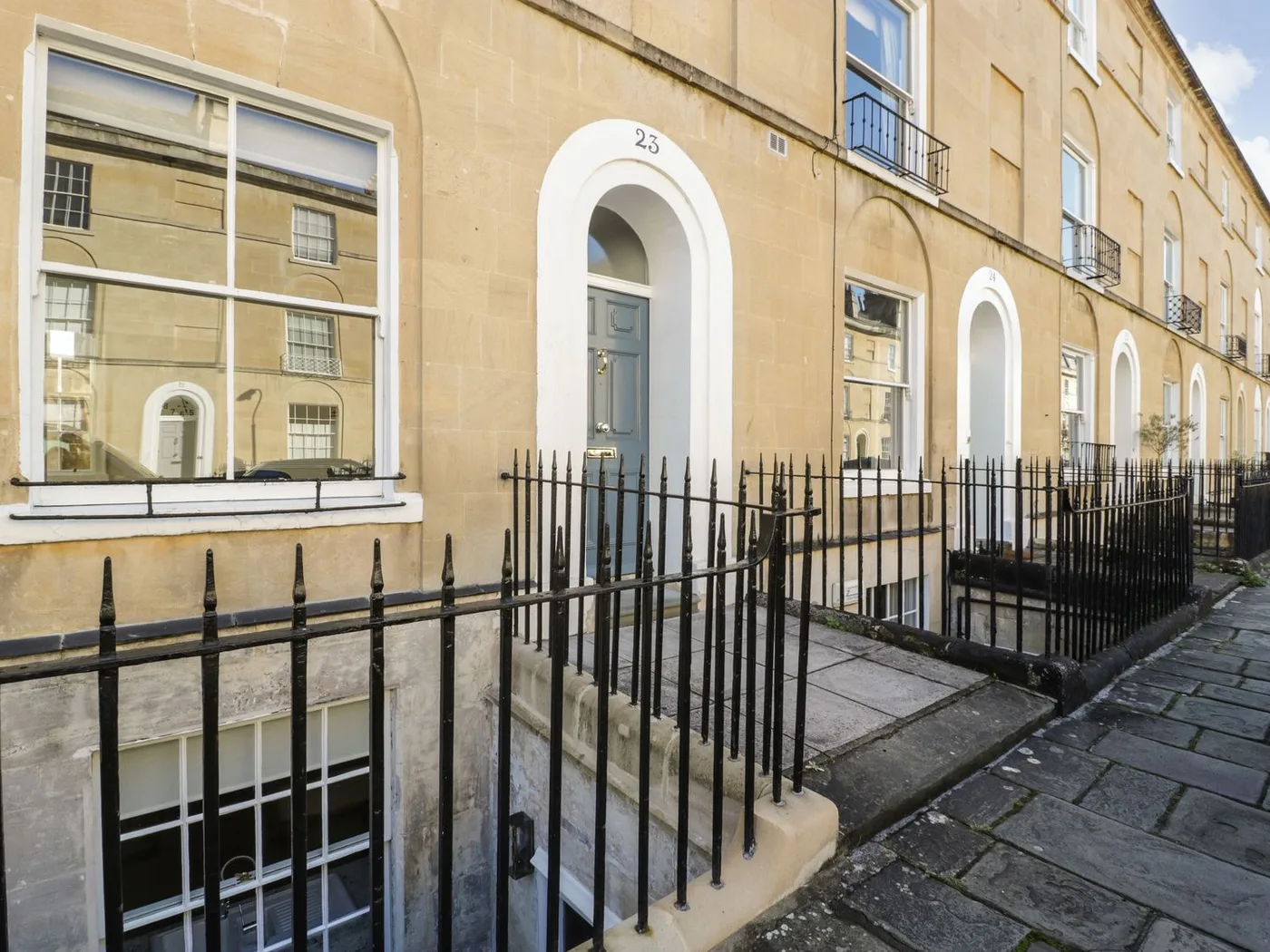
The city is known for and named after its Roman-built baths, and that heritage runs through everything else. Bath became popular as a spa town in the Georgian era, and the Georgian architecture includes the Royal Crescent, among the best-known terraces in England. A monastery was founded on the site of Bath Abbey in the 7th century, and the present abbey church, ordered by Bishop Oliver King in 1499, sits close to the baths, so the central sights can be seen on foot in a day.
Bath became a UNESCO World Heritage Site in 1987. The listing covers the whole city rather than a small core, so expect narrow historic streets, and think twice before planning to drive into the middle. Staying in a cottage on the edge or in the surrounding countryside and coming in for the day is a common way to enjoy it. In winter, Bath Christmas Market puts free-to-enter stalls on Abbeygate, Bath and Milsom Streets from 26 November to 13 December 2026, and the Bath Half runs a traffic-free 13.1 miles from Royal Victoria Park on 14 March 2027.
Away from the main sights there is plenty of quieter walking. Sydney Gardens has cast-iron bridges over the Kennet and Avon Canal, which gives a gentle waterside route, and the limestone hills that ring the valley give views back over the city. A stay here suits couples and groups who want architecture, history and good food as the main business of the week.
Where to stay
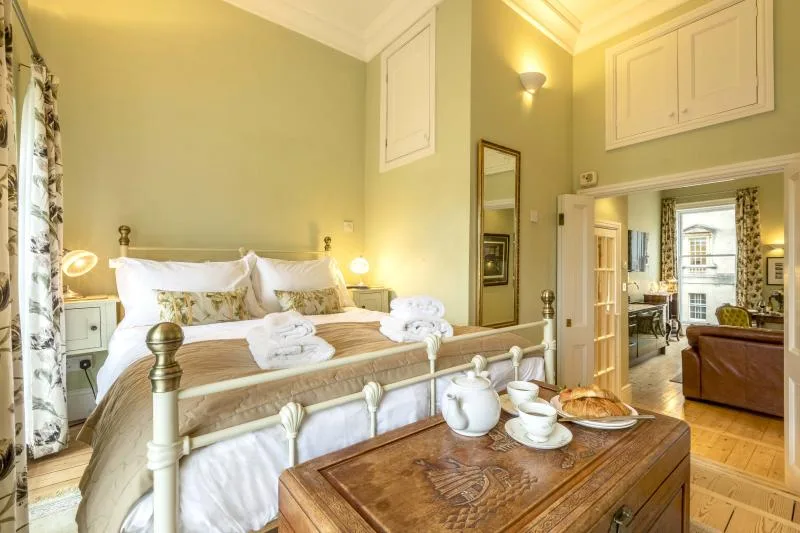
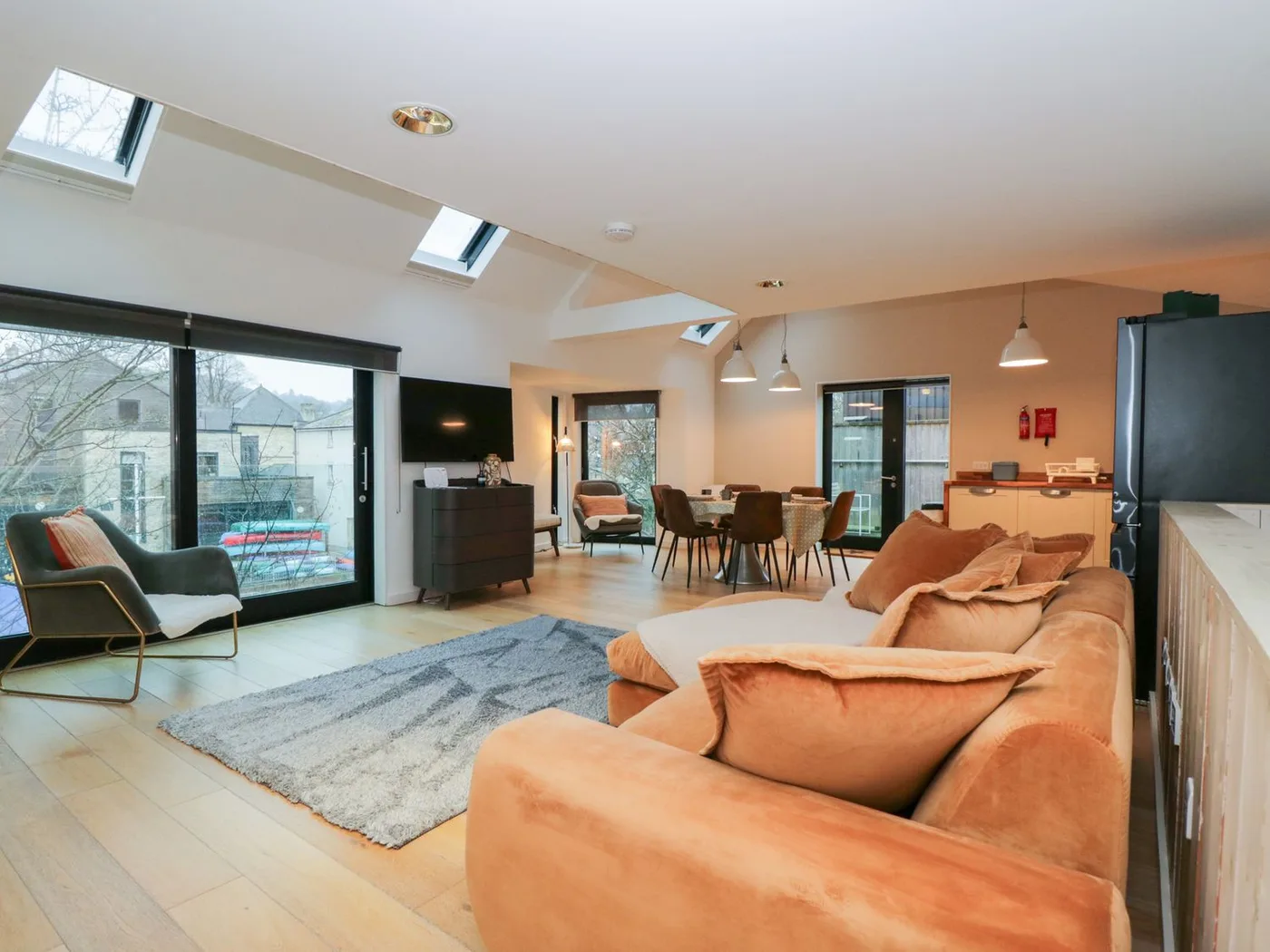
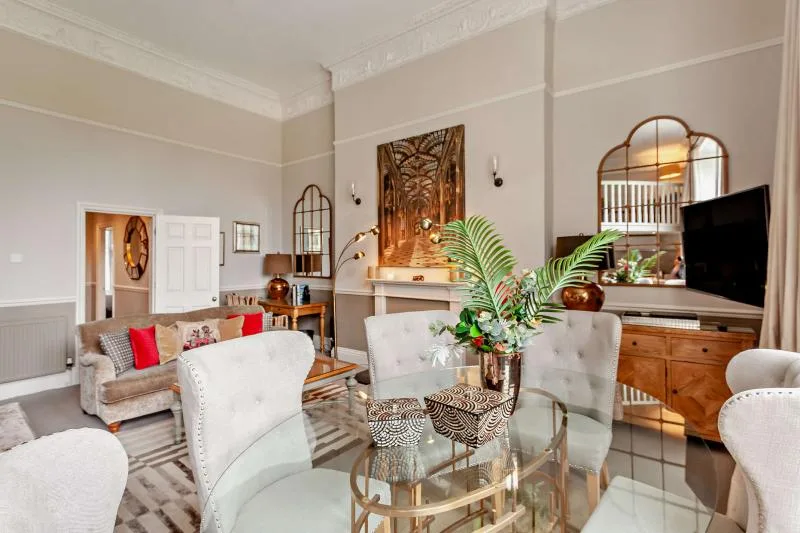
Places to Stay in Bath
Compare the property layouts, facilities and booking details.
Live availability in Bath
Sample dates: 16 October 2026 - 18 October 2026. Adjust below to see live prices for Bath.
What's on
Upcoming Events in Bath
Festivals, markets, and seasonal happenings.