Cheddar
At the foot of the UK's largest gorge
Cheddar is a village on the southern edge of the Mendip Hills, about 9 miles north-west of Wells and 18 miles south-west of Bristol. It had 6,263 people at the 2021 census. Visitors come for the gorge, the largest gorge in the United Kingdom, cut into the hills just above the village.
The caves are the second draw. They were formed by an underground river and contain stalactites and stalagmites. Gough’s Cave runs about 400 m into the rock face, and Cox’s Cave is smaller but has many intricate formations. It was at Gough’s Cave in 1903 that Cheddar Man was found, a skeleton roughly 10,000 years old that the Natural History Museum calls the oldest almost complete skeleton of our species found in Britain.
Away from the gorge, Cheddar Reservoir is a near-circular artificial reservoir run by Bristol Water, dating from the 1930s and holding 135 million gallons. It is a Site of Special Scientific Interest because of its wintering waterfowl, so it suits a winter walk with binoculars. The reservoir is fed from the Cheddar Yeo, which rises in Gough’s Cave.
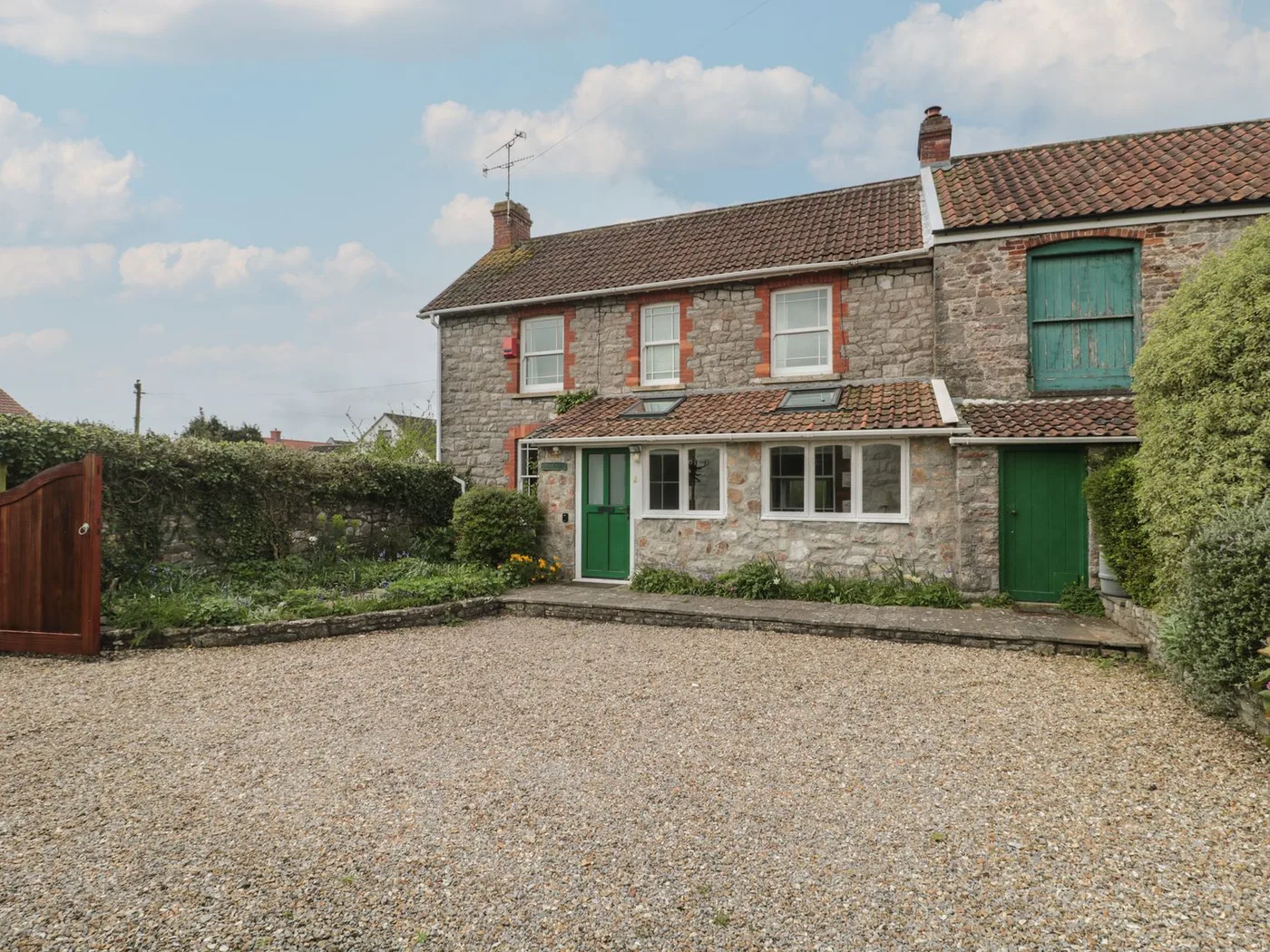
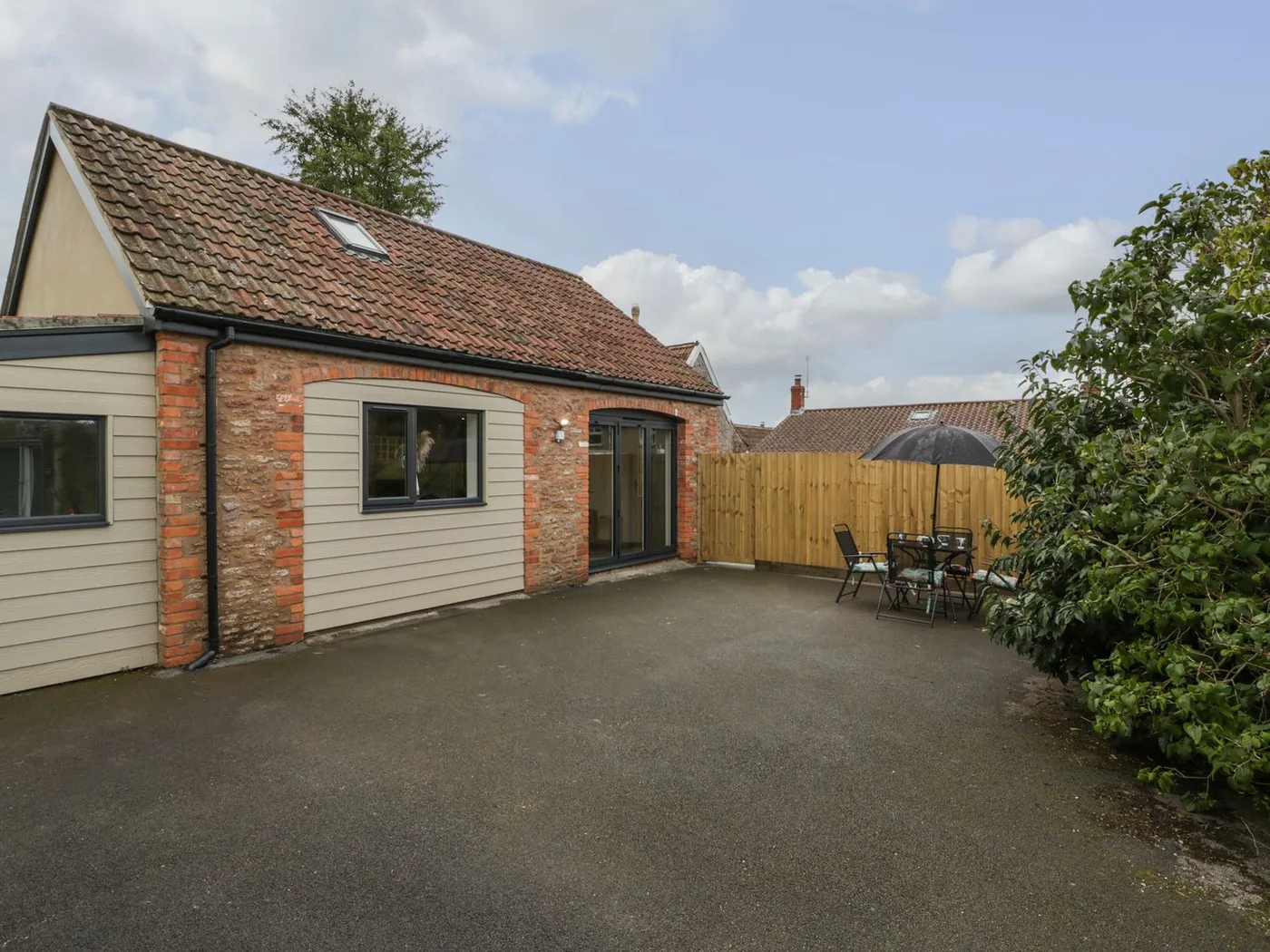
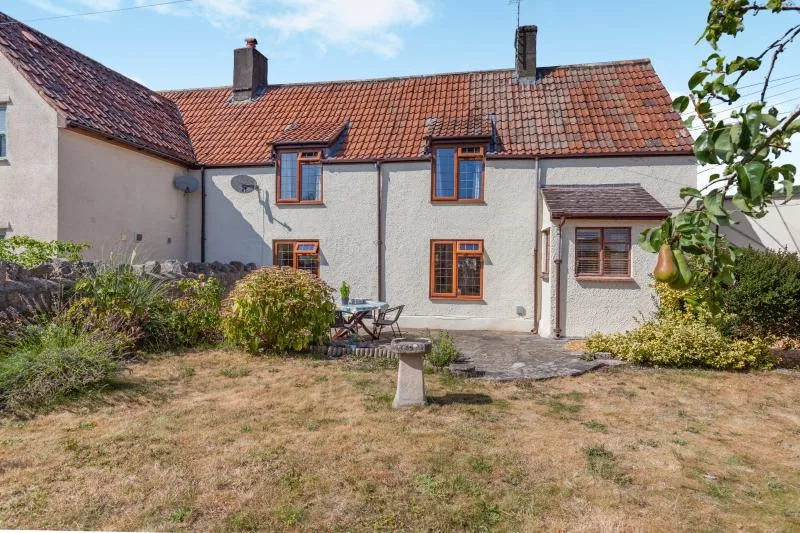
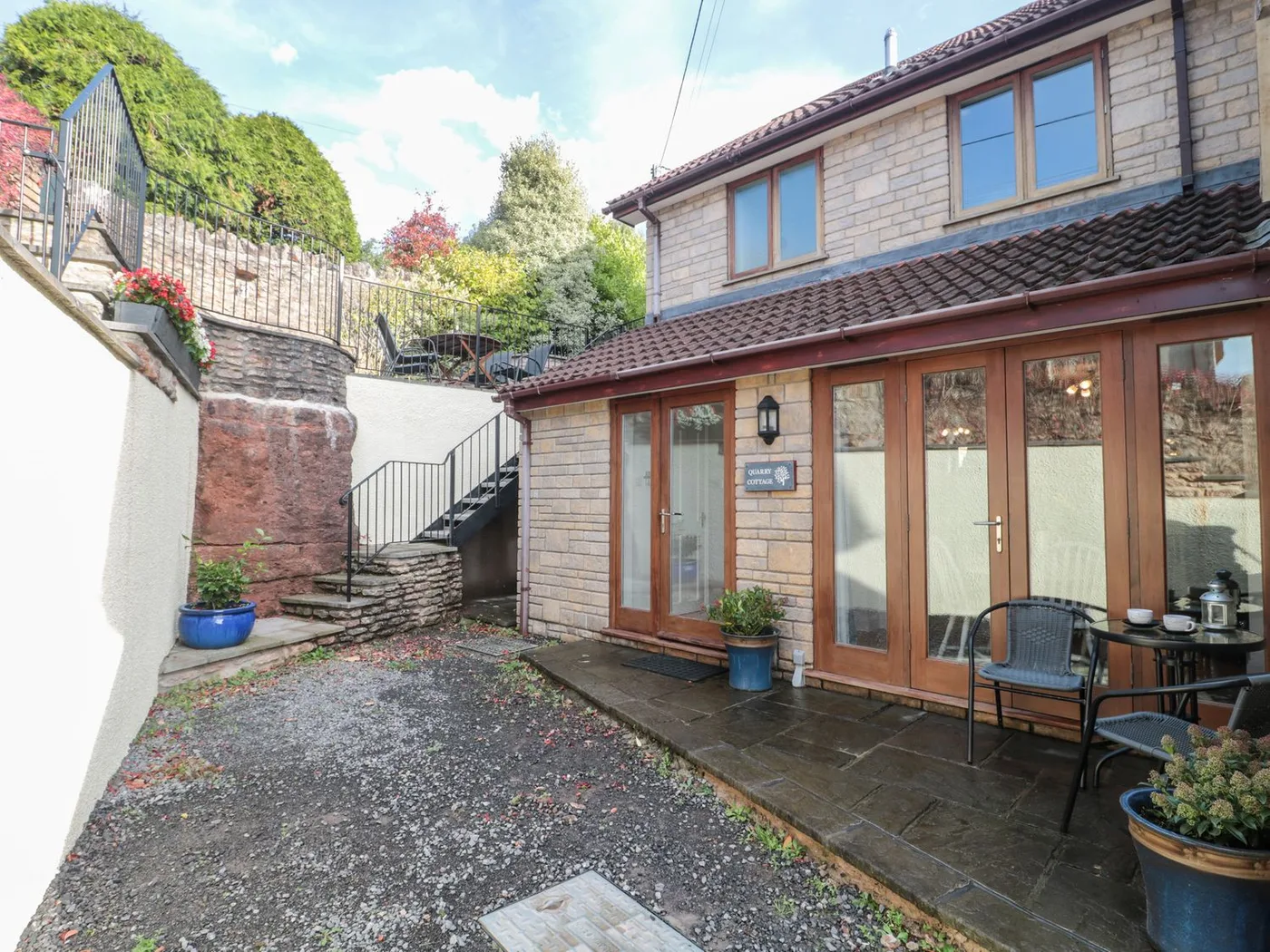
The village gave its name to Cheddar cheese, and the Cheddar Gorge Cheese Company still makes traditional Cheddar in the village. Strawberries have been its other main crop since the 1880s, grown on the south-facing lower slopes of the Mendips, and the old Cheddar Valley railway line, known as the Strawberry Line, once carried them to markets in Birmingham and London. Between the gorge walks, the caves and the Mendip hills above, a cottage here suits a few active days outdoors, with Wells not far away.
Where to stay
Places to Stay in Cheddar
Compare the property layouts, facilities and booking details.
Live availability in Cheddar
Sample dates: 16 October 2026 - 18 October 2026. Adjust below to see live prices for Cheddar.